
Cosmetics regulatory services
Click below to get more information about our services and service packages
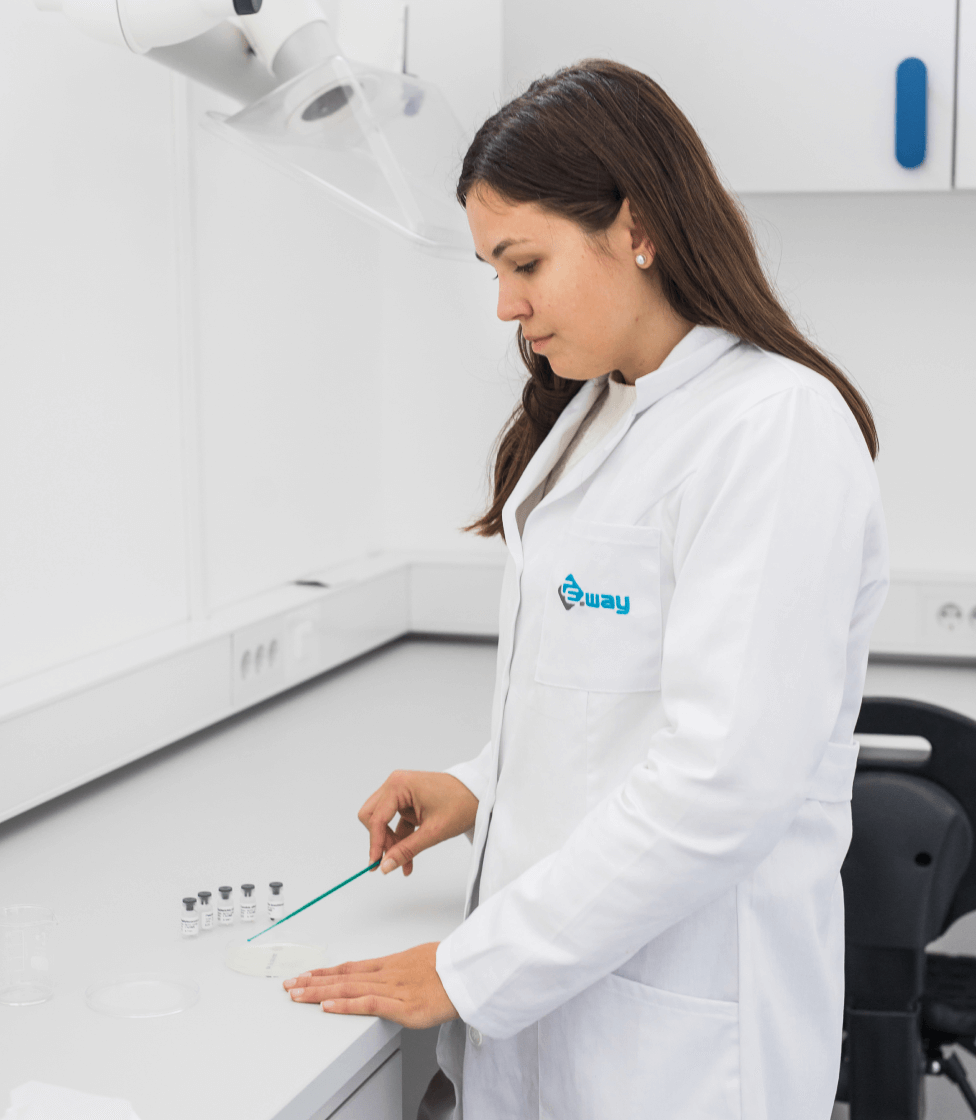
Cosmetics challenge testThe cosmetics challenge test, also known as the preservative efficacy test (PET), is an important part of the product information file, and reference to it must be made in the cosmetic product safety report (CPSR). According to ISO 29621, every cosmetic manufacturer has to ensure that the product, as purchased, is free from the numbers and types of microorganisms that could affect product quality and consumer health, as well as to ensure that microorganisms introduced during normal product use will not adversely affect the quality or safety of the product. The latter can be ensured by performing the cosmetics challenge test. Basically, the challenge test checks how effective the preservative system of the cosmetic product is and whether it is capable of withstanding various types of contamination during production, from the environment and from direct contact with the human body that the cosmetic product is exposed to, thereby guaranteeing the safety and efficacy of the product during its shelf life.
CE.way checks the preservation system’s effectiveness using the international cosmetics challenge test standard ISO 11930:2019 or the United States Pharmacopeia standard USP 51. The test is based on the monitoring of the presence of various pathogens in the cosmetic product when it is produced, followed by the intentional inoculation of a cosmetic product with five different strains of microorganisms:
The remaining concentration of these microorganisms is then determined after 7, 14 and 28 days. The product is considered to pass the preservative efficacy test if the concentrations of the fungi do not increase over the testing period and if the concentrations of the bacteria are reduced sufficiently by day 14 and do not increase from that time until the end of the test.
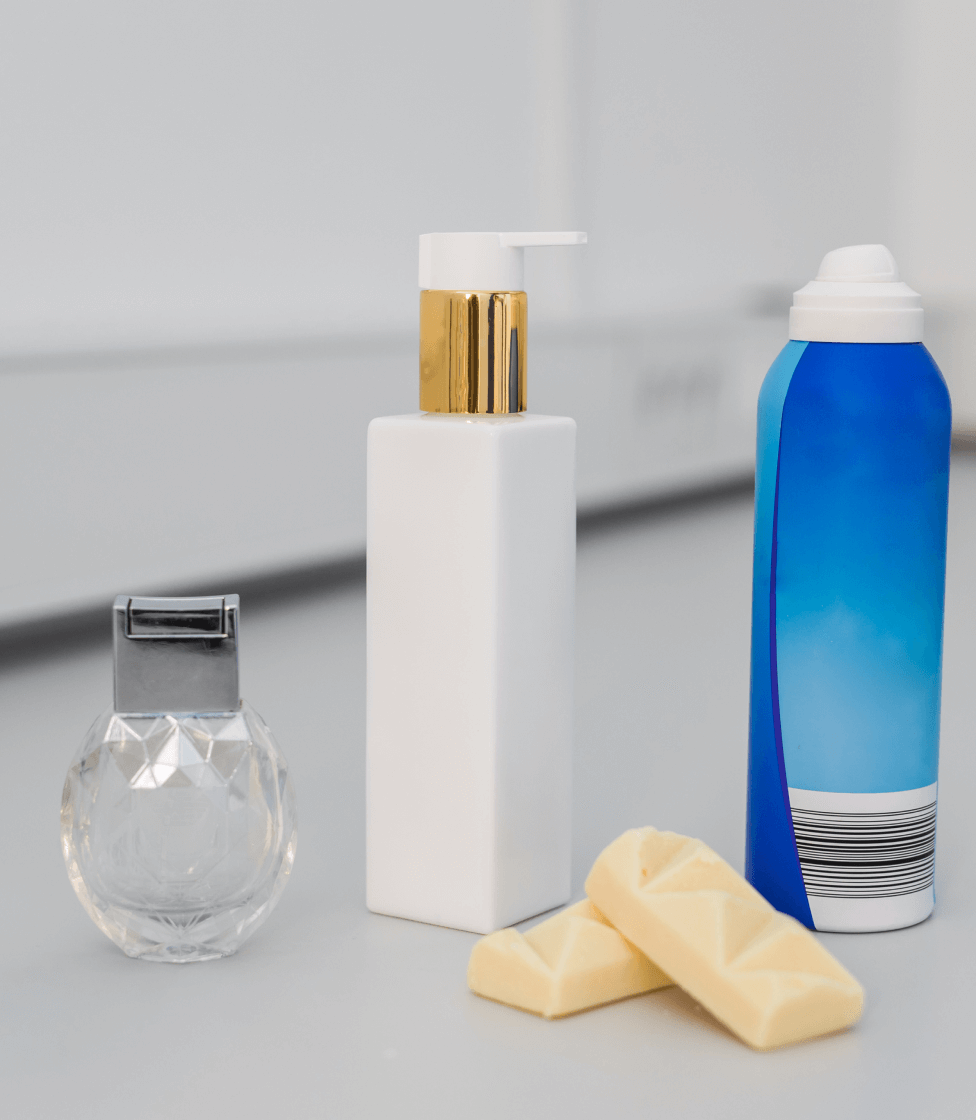
A cosmetics challenge test is not required for certain types of cosmetic products. Microbiologically low-risk products can be exempt from the preservative efficacy test, because, due to the product characteristics, the likelihood of microbiological contamination for such products is very low or even non-existent. The product characteristics that define products as microbiologically low-risk products are described in ISO 29621:2017 and can be divided into characteristics due to the composition of the product, characteristics that are a consequence of the production conditions, packaging or combined factors.
These characteristics are as follows:
Any lack of challenge test, however, must be duly justified.